Rugby guide

Rugby equipment.

What to bring, what protection can and cannot do, and what to remove before taking the field.

Quick check

Before you take the field.

Run through this list before training or a match.

Protection has limits. Equipment can reduce some injuries, but it cannot remove the risks of contact rugby. Safe technique, behaviour and reporting pain or injury remain essential.

Essential kit

What to bring.

Bring secure kit that is appropriate for the playing surface and ready for contact.

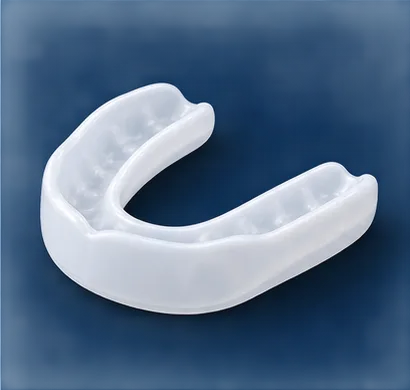
Illustration of a fitted rugby mouthguard
Strongly recommended

Mouthguard

A custom dentist-fitted mouthguard generally provides the best fit. A properly fitted boil-and-bite model is a practical alternative. Mouthguards protect teeth and surrounding soft tissue, but should not be relied on to prevent concussion.

  • Rinse after use
  • Allow it to dry
  • Store it in a ventilated case
  • Replace it if split, distorted, badly bitten or no longer secure
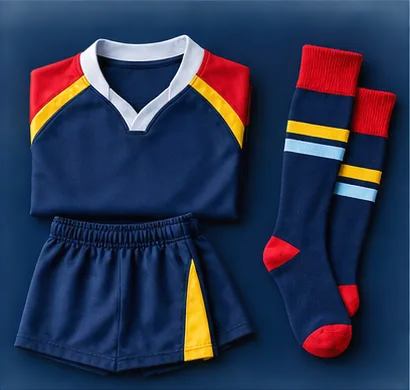
Illustration of a rugby jersey, shorts and long socks
Standard kit

Rugby clothing

Wear close-fitting kit that allows movement and does not create a snagging hazard.

  • Jersey
  • Shorts
  • Underwear where appropriate
  • Long rugby socks
Illustration of a rugby boot and studs
Standard kit

Rugby boots

Boots and studs or cleats must be appropriate for the surface. Check that every stud is secure, has no burrs or sharp edges and does not exceed 21 mm. These are World Rugby requirements; ask a coach if you are unsure which sole suits the conditions.

Optional protection

Useful, with limits.

Optional equipment may improve comfort or reduce minor injuries. It does not remove the risks of contact.

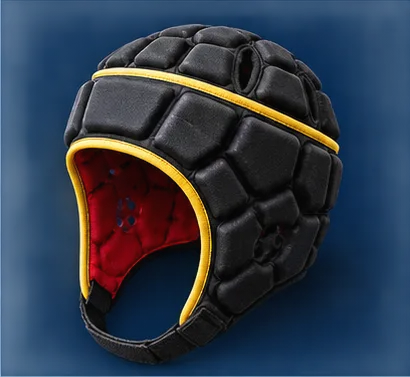
Illustration of a rugby scrum cap
Optional

Scrum cap

A properly fitted scrum cap can help protect the ears and reduce cuts and abrasions. There is no evidence that headgear protects against concussion. Headgear used in regulated play must comply with applicable World Rugby standards.

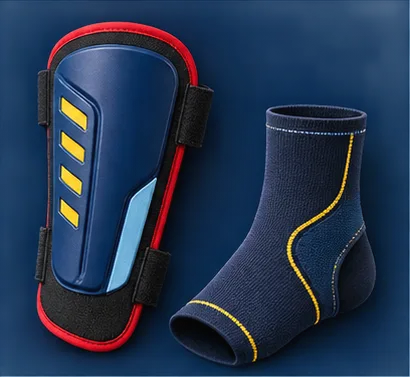
Illustration of a shin guard and an ankle support
Optional

Shin guards and ankle supports

Shin guards are permitted. Ankle supports must be worn under the socks, must not extend higher than one third of the shin and, if rigid, must not contain metal. Ask a coach or referee if the fit or construction is unclear.

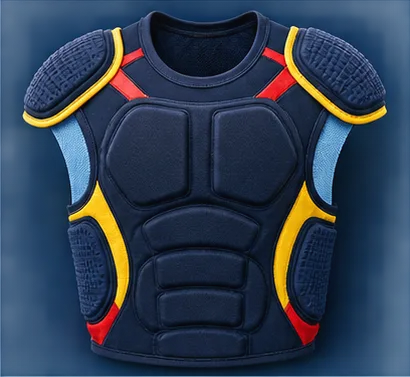
Illustration of padded shoulder and chest protection
Optional

Shoulder, chest and breast padding

Approved shoulder, chest or breast padding may help reduce minor cuts and abrasions. It does not protect against serious injury and must not be used to return to play before an injury has healed.

A properly fitted supportive sports bra can improve comfort. Anyone experiencing breast or chest pain or injury should report it and seek appropriate medical advice.

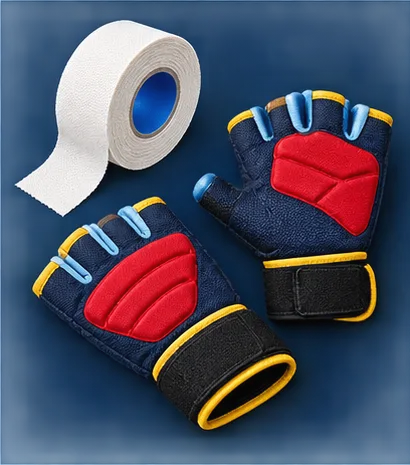
Illustration of support tape and fingerless rugby mitts
Optional

Supports, tape and fingerless mitts

Washable soft supports, bandages, dressings and thin tape may be permitted when they are safe. Fingerless rugby mitts may be permitted. Full gloves are not allowed under World Rugby Law 4.

Do not assume that a brace is permitted or that it provides medical clearance. Ask a coach, referee or qualified healthcare professional as appropriate.

Remove before play

Not allowed on the field.

Remove anything that could catch, cut or injure you or another player.

Illustration of jewellery and a watch that must be removed
Not allowed

Jewellery and hard accessories

  • Rings
  • Earrings and piercings
  • Necklaces
  • Bracelets
  • Watches
  • Hard accessories

Taping over jewellery does not automatically make it safe or permitted.

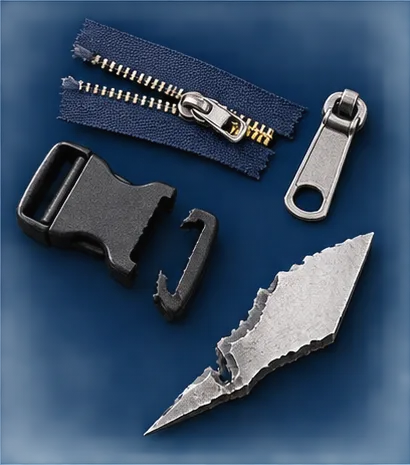
Illustration of sharp, rigid and damaged equipment
Not allowed

Dangerous or prohibited equipment

  • Full gloves
  • Exposed buckles, clips or zips
  • Screws or bolts
  • Sharp or abrasive edges
  • Blood-contaminated clothing
  • Unapproved rigid items
  • Communication devices

Tape, supports and medical braces are not automatically permitted; the item must still be safe and comply with the laws.

Sources and questions

When in doubt, ask.

Equipment rules can change, and the referee has the final decision on match day. Ask a coach before training if you are unsure about boots, padding, a brace or another item.

The referee has the final authority to decide whether an item is safe and permitted for a match.

Reviewed against World Rugby Law 4, Regulation 12 and Rugby Ready guidance. Last reviewed: August 2026.